
Klow 80mg*10 vials (50mg ghk-cu, 10mg tb-500, 10mg bpc-157, 10mg kpv)
$420.99
KLOW 80mg is a four-component research peptide blend containing 50mg GHK-Cu, 10mg BPC-157, 10mg TB-500, and 10mg KPV per vial. The formulation brings together four distinct peptides studied in areas including extracellular matrix biology, tissue-repair models, cellular signaling, and inflammatory pathways.
Description
KLOW 80mg Peptide Blend – 50mg GHK-Cu, 10mg TB-500, 10mg BPC-157 & 10mg KPV
KLOW 80mg is a four-component peptide research blend formulated with 50mg GHK-Cu, 10mg TB-500, 10mg BPC-157, and 10mg KPV per vial. The formulation brings together several peptides that researchers study across areas such as cellular signaling, extracellular matrix biology, tissue models, inflammatory pathways, and regenerative research.
Each vial contains a total of 80mg of peptide material, while each box contains 10 vials. The defined composition makes KLOW 80mg a convenient format for laboratories and researchers investigating multi-peptide formulations and the individual properties of their constituent compounds.
KLOW 80mg Composition
The KLOW research blend contains four distinct peptide components:
- GHK-Cu – 50mg: A copper-binding peptide studied in cellular and tissue models involving extracellular matrix activity, collagen-related pathways, and cellular signaling.
- TB-500 – 10mg: An experimental peptide associated with research into thymosin beta-4-related pathways and cellular processes involved in tissue models.
- BPC-157 – 10mg: A synthetic peptide extensively investigated in preclinical models involving gastrointestinal systems, vascular signaling, tissue injury, and repair-related processes.
- KPV – 10mg: A short peptide fragment derived from α-MSH that researchers study primarily in relation to inflammatory signaling and cellular pathways.
Together, these components provide a broad research platform for investigating how different peptide classes may interact within experimental models.
GHK-Cu Research
GHK-Cu, also known as copper tripeptide-1, is one of the primary components of the KLOW formulation. Researchers have investigated GHK-Cu in connection with extracellular matrix biology, collagen-related processes, wound models, and cellular signaling.
Its copper-binding properties also make GHK-Cu an interesting subject for studies examining copper-dependent biological pathways.
Because GHK-Cu represents the largest component of the blend, it provides a major focus for researchers examining copper peptide biology and tissue-related models.
TB-500 Research
TB-500 is commonly studied in experimental research related to thymosin beta-4 pathways. Researchers have investigated thymosin beta-4 and related peptides in models involving cellular migration, angiogenesis, and tissue response.
The inclusion of TB-500 gives researchers another experimental component for studying peptide-related cellular processes alongside GHK-Cu.
It is important to distinguish experimental research from established clinical applications. Findings from laboratory and animal studies do not automatically demonstrate equivalent effects in humans.
BPC-157 Research
BPC-157 is another extensively discussed experimental peptide. Preclinical studies have examined it in models involving gastrointestinal injury, tissue responses, vascular signaling, and repair-related pathways.
Researchers continue to investigate the biological mechanisms associated with BPC-157. However, human clinical evidence remains limited compared with the larger body of preclinical research.
Within KLOW, BPC-157 provides an additional research component for studies examining peptide activity in tissue and cellular models.
KPV Research
KPV is a small peptide fragment associated with α-melanocyte-stimulating hormone research. Scientists have investigated KPV in models involving inflammatory signaling and immune-related pathways.
Its inclusion in KLOW adds a distinct peptide component to the formulation. This allows researchers to explore a formulation containing peptides with different structures and research backgrounds.
Why Study a Multi-Peptide Blend?
Multi-peptide formulations can provide researchers with an opportunity to investigate several compounds within one defined composition. KLOW combines copper peptide research with peptides associated with tissue, cellular, and inflammatory models.
This approach may be useful for laboratory research examining:
- Peptide interactions in experimental systems
- Cellular signaling pathways
- Extracellular matrix research
- Tissue-model studies
- Inflammatory signaling
- Copper peptide biology
- Peptide formulation research
- Comparative peptide research
However, the presence of multiple peptides does not establish that they produce a combined or synergistic effect. Researchers should evaluate the available evidence for each component independently and study the blend under appropriate experimental conditions.
KLOW 80mg for Research
KLOW 80mg is intended for laboratory and research applications. It is not presented as a therapeutic product or as a substitute for approved medical treatment.
The defined 80mg composition allows researchers to identify the individual peptide components and their respective amounts within each vial. This can be useful when designing analytical or comparative research involving multi-component peptide formulations.
Researchers should also consider factors such as peptide identity, purity, analytical testing, storage conditions, formulation stability, and batch documentation when evaluating research materials.
Product Specifications
Product: KLOW 80mg Peptide Blend
Format: 10 vials per box
Total peptide content: 80mg per vial
GHK-Cu: 50mg per vial
TB-500: 10mg per vial
BPC-157: 10mg per vial
KPV: 10mg per vial
Intended use: Laboratory research and experimental applications
Research-Only Disclaimer
KLOW 80mg is supplied as a research material. The individual peptides in this formulation remain subjects of ongoing scientific investigation, and the combination itself should not be assumed to have established clinical efficacy or safety.
Research findings can vary depending on the experimental model, formulation, concentration, methodology, and study conditions. Researchers should review relevant scientific literature and analytical documentation before using peptide materials in laboratory studies.
KLOW 80mg provides a defined four-peptide research formulation combining GHK-Cu, TB-500, BPC-157, and KPV for continued investigation into peptide biology, cellular signaling, tissue models, and related experimental research.
Related products
-
Buy HCG 5000iu/vial *10vial/box
$190.00 Add to cart -
TB 500 2-5mg*10 vials buy
Price range: $110.00 through $190.00 Select options This product has multiple variants. The options may be chosen on the product page -
Buy Thymalin: 5-10mg*10 vials
Price range: $120.00 through $190.00 Select options This product has multiple variants. The options may be chosen on the product page -
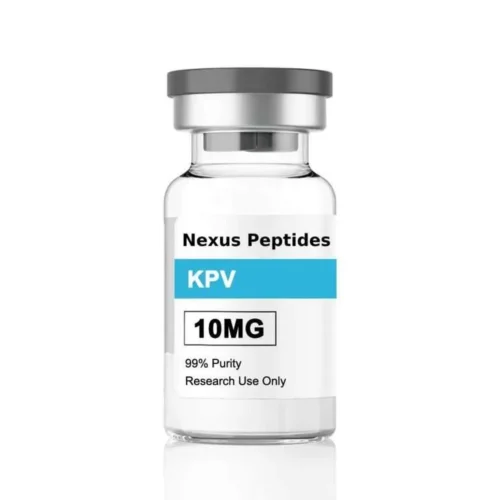
Buy KPV: 5-10mg*10 vials
Price range: $130.00 through $210.00 Select options This product has multiple variants. The options may be chosen on the product page
Reviews
There are no reviews yet.