🔬 Popular Research Material
View Product →

GHK-Cu: Copper Peptide Research in Skin, Tissue, and Repair Models
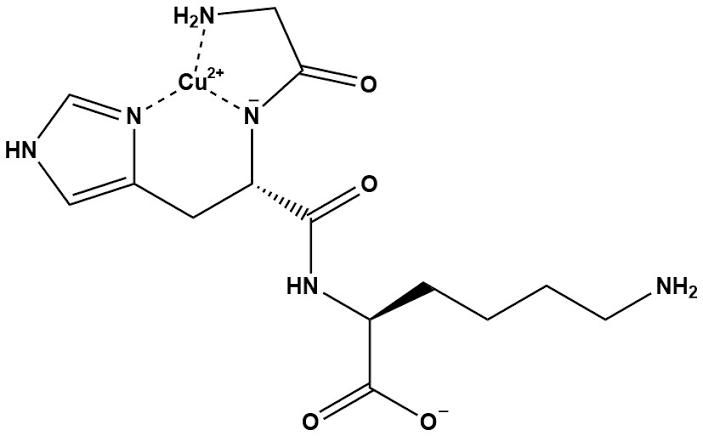
Molecular visualization of GHK-Cu copper peptide complex with subtle tissue and collagen-related scientific motifs

GHK-Cu: Copper Peptide Research in Skin, Tissue, and Repair Models GHK-Cu (glycyl-L-histidyl-L-lysine copper complex) has moved from relatively specialized research into broader discussion in 2026, particularly in contexts related to skin biology and tissue remodeling. Its rise in visibility reflects both longstanding laboratory data and increased public interest in topical and research applications of copper … Read more
Peptide Storage and Stability: What Actually Affects Research Material

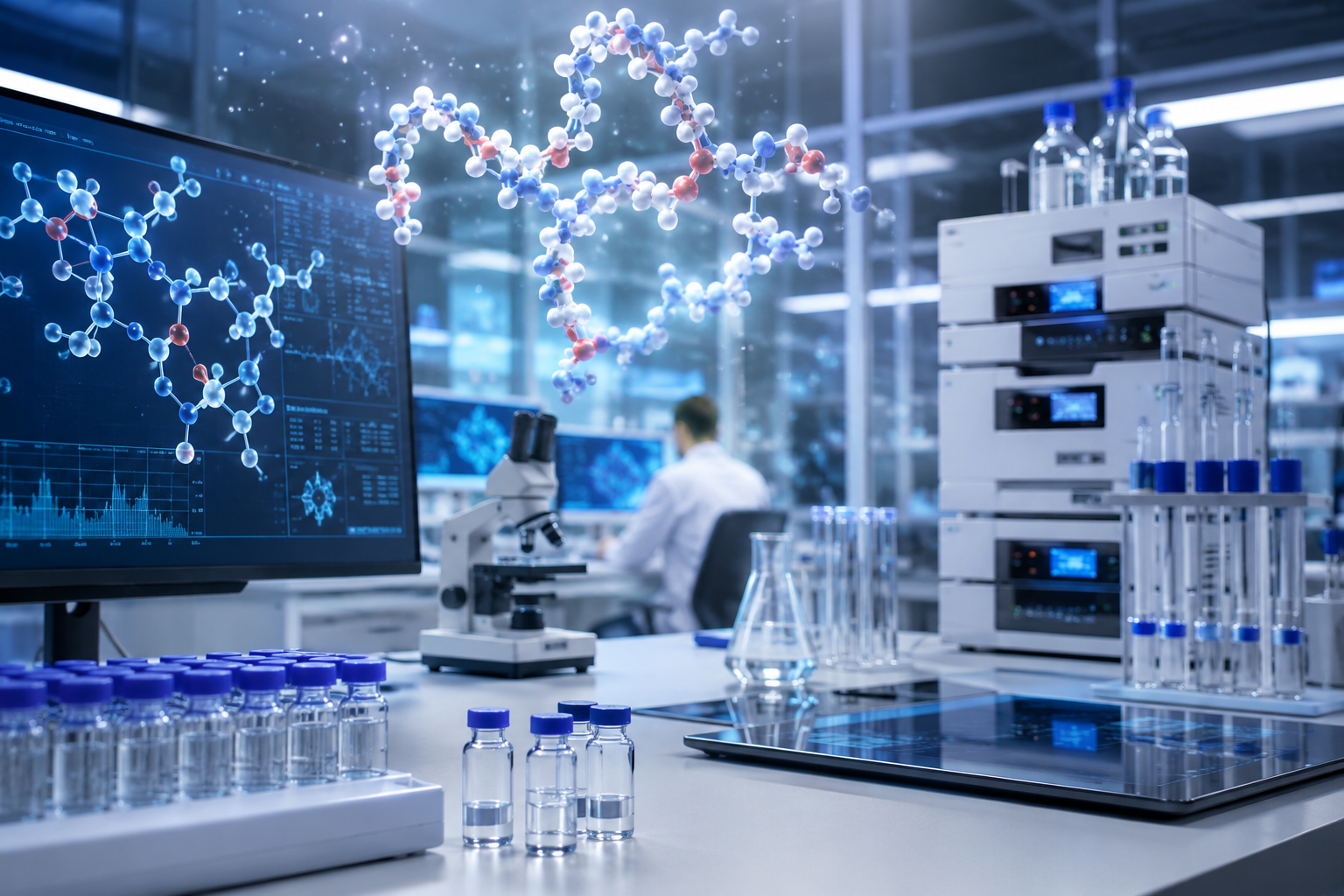
Professional laboratory storage of lyophilized peptide vials in controlled cold conditions with clear labeling

Peptide Storage and Stability: What Actually Affects Research Material Synthetic peptides are chemically fragile. Their stability depends on sequence, formulation, temperature, moisture, light, and handling. Poor storage does not just reduce purity over time it can introduce degradation products that alter experimental results. Lyophilized vs. Reconstituted Forms Most research peptides arrive as lyophilized (freeze-dried) powders. … Read more

Retatrutide and the Next Generation of Multi-Receptor Metabolic Peptides

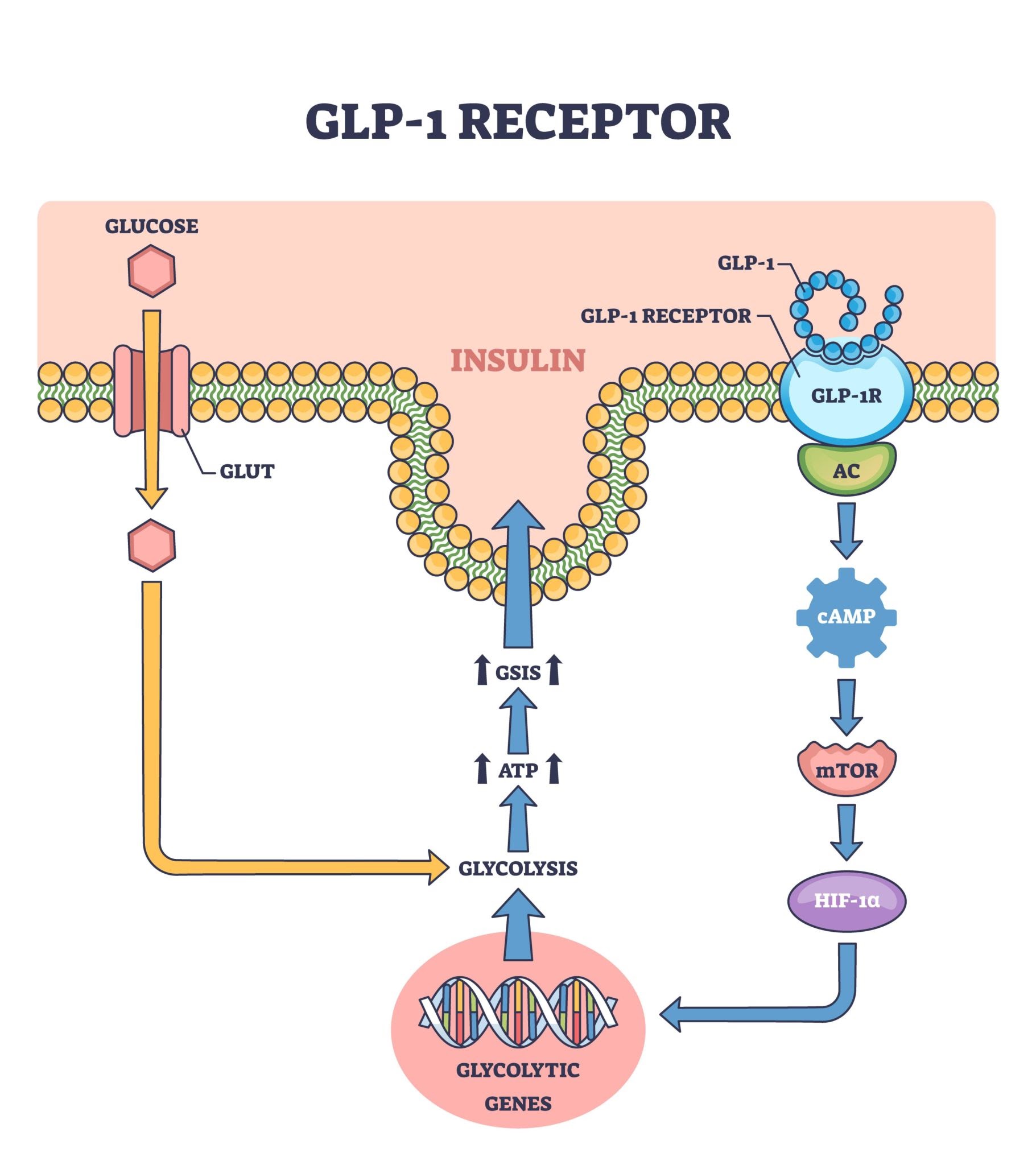
Molecular visualization of a triple-agonist peptide interacting with GLP-1, GIP, and glucagon receptors in a metabolic signaling context

Retatrutide and the Next Generation of Multi-Receptor Metabolic Peptides The success of GLP-1 receptor agonists such as semaglutide and the dual GIP/GLP-1 agonist tirzepatide has changed metabolic peptide research. Researchers now study peptides that can target several receptors at the same time. Retatrutide stands out as a triple agonist that targets the GLP-1, GIP, and … Read more

BPC-157 in 2026: What the Research Actually Shows (and What It Doesn’t)

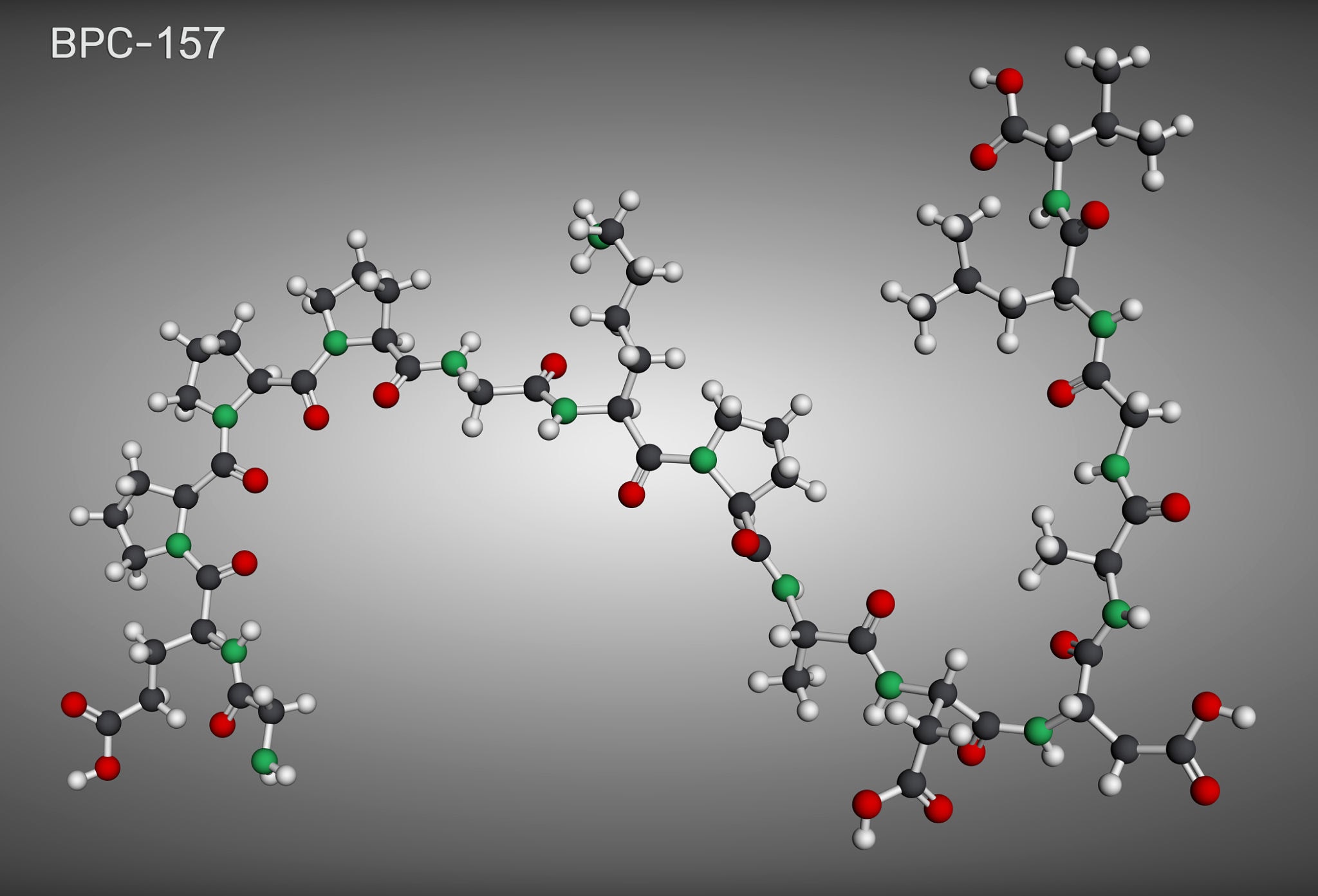
Bpc-157, body protection compound, gastric pentadecapeptide molecule. Synthetic fifteen amino acid oligopeptide, regenerative peptide for tissue repair. 3D render

BPC-157 in 2026: What the Research Actually Shows (and What It Doesn’t) BPC-157, the synthetic 15-amino-acid fragment derived from a protective protein found in human gastric juice, remains one of the most discussed research peptides in 2026. Search volume and community interest place it near the top of non-GLP-1 compounds, and recent regulatory attention has … Read more

🔬 Popular Research Material
View Product →