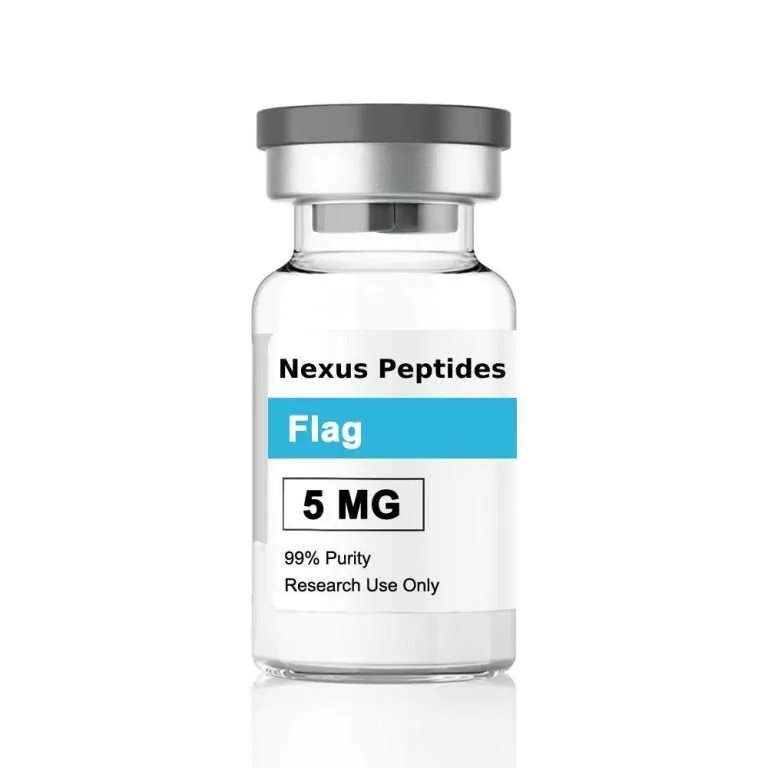
Flag: 5-10mg*10 vials
Price range: $120.00 through $210.99
FLAG peptide 5–10mg × 10 vials containing the DYKDDDDK epitope sequence for qualified laboratory research involving protein detection, purification, immunoassays, and molecular biology.
Description
Buy FLAG Peptide 5–10mg is a short synthetic peptide widely associated with FLAG-tag technology, an important tool in molecular biology and protein research.
The classic FLAG peptide sequence is DYKDDDDK, an eight-amino-acid epitope recognized by antibodies designed to detect the FLAG tag. FLAG-tag technology allows researchers to attach this short peptide sequence to a protein of interest and subsequently detect, identify, or purify the tagged protein using compatible antibodies and affinity systems.
Our FLAG Peptide 5–10mg × 10 vials product is intended for qualified laboratory and research applications involving peptide chemistry, molecular biology, protein characterization, affinity purification, immunodetection, and related experimental workflows.
Unlike many experimental peptides discussed in biological research, FLAG peptide has a particularly well-defined role in the laboratory: it functions as a small epitope peptide associated with protein-tagging and purification systems.
What Is FLAG Peptide?
FLAG peptide is an eight-amino-acid peptide with the sequence:
DYKDDDDK
The sequence consists of:
- Aspartic acid
- Tyrosine
- Lysine
- Aspartic acid
- Aspartic acid
- Aspartic acid
- Aspartic acid
- Lysine
Because the FLAG sequence is small and can be recognized by specific antibodies, researchers can use it as an epitope tag for studying proteins.
Commercial FLAG peptide products are also used as competitive ligands in certain affinity-purification workflows. For example, FLAG peptide can be used to competitively elute FLAG fusion proteins from compatible anti-FLAG affinity systems Buy FLAG Peptide 5–10mg.
What Is the FLAG Tag?
The FLAG tag is a short peptide sequence incorporated into a recombinant protein so that researchers can identify or isolate that protein using FLAG-specific antibodies or affinity materials.
The classic FLAG sequence is:
DYKDDDDK
One advantage of using a short epitope tag is that researchers do not necessarily need an antibody specifically developed against every individual protein they want to study.
Instead, a researcher can attach the FLAG sequence to the protein and use established anti-FLAG detection systems.
This makes FLAG-tag technology useful across many areas of molecular biology.
How Does FLAG-Tag Technology Work?
A simplified FLAG-tag research workflow can be understood in several stages.
1. A FLAG sequence is incorporated into a protein construct
Researchers can genetically engineer a protein so that the FLAG sequence is positioned at an appropriate location.
Depending on the experimental design, FLAG can be placed at the N-terminus, C-terminus, or another suitable position within or around the target protein.
2. The tagged protein is expressed
The resulting construct can be introduced into an appropriate experimental system so the protein containing the FLAG sequence can be produced.
3. Anti-FLAG antibodies recognize the tag
The FLAG sequence can then be detected using compatible anti-FLAG antibodies.
This provides researchers with a standardized way to identify the tagged protein.
4. The tagged protein can potentially be isolated
FLAG-based affinity systems can be used to capture FLAG-tagged proteins.
Researchers can then use appropriate elution strategies to recover the target protein.
This is one reason FLAG technology is widely used in recombinant protein research.
FLAG Peptide and Protein Purification
One of the most useful research applications of FLAG peptide is its relationship to affinity purification.
Affinity purification works by exploiting a specific interaction between a target molecule and a binding partner.
In FLAG-tag systems, the FLAG sequence interacts with an anti-FLAG antibody or compatible affinity resin.
The tagged protein can therefore be separated from other proteins in an experimental sample.
FLAG peptide can also serve as a competitive elution molecule in certain systems.
According to product documentation from Sigma-Aldrich, FLAG peptide can be used for competitive elution of N-terminal, Met-N-terminal, or C-terminal FLAG fusion proteins from compatible Anti-FLAG M1 or M2 antibody systems.
This makes the peptide particularly relevant to laboratories working with recombinant proteins.
FLAG Peptide and Protein Detection
FLAG-tag technology is also widely relevant to protein detection.
Researchers may use anti-FLAG antibodies in techniques such as:
- Western blotting
- Immunofluorescence
- Immunocytochemistry
- ELISA
- Protein purification
- Immunoprecipitation
- Protein localization studies
Anti-FLAG antibodies are designed to recognize the DYKDDDDK sequence and can therefore provide a standardized detection system for FLAG-tagged proteins.
This can be especially useful when an experimental protein is difficult to detect using a protein-specific antibody.
FLAG Peptide in Western Blot Research
Western blotting is one of the most familiar applications associated with epitope tags.
A researcher can express a FLAG-tagged protein and subsequently use an anti-FLAG antibody to determine whether the tagged protein is present in the experimental sample.
The Buy FLAG Peptide 5–10mg can therefore provide a consistent detection method across different protein constructs.
This is particularly valuable when researchers are comparing:
- Protein expression
- Protein size
- Protein abundance
- Protein localization
- Mutant proteins
- Protein constructs
- Experimental treatments
FLAG-based detection does not eliminate the need for appropriate controls, however.
Researchers should still design experiments with suitable positive and negative controls and validate the detection system for their specific application.
FLAG Peptide and Immunoprecipitation
FLAG-tagged proteins can also be investigated using immunoprecipitation-based approaches.
In a typical experimental concept, an anti-FLAG antibody recognizes the tagged protein and enables researchers to isolate that protein from a more complex biological sample.
Researchers can then investigate:
- Protein-protein interactions
- Protein complexes
- Associated proteins
- Protein abundance
- Post-translational modifications
- Molecular interactions
This makes FLAG-tag technology useful in proteomics and molecular interaction studies.
FLAG Peptide and Protein-Protein Interaction Research
One particularly interesting use of epitope tagging is the investigation of protein-protein interactions.
Proteins rarely operate completely independently. Many biological processes depend on protein complexes and interactions between multiple molecular components.
Researchers can use FLAG-tagged proteins as experimental handles for isolating or detecting a protein of interest.
Potential research questions include:
- Which proteins interact with the target?
- Does a mutation change protein interactions?
- Does a signaling event alter a protein complex?
- Does protein expression affect complex formation?
- Can interacting proteins be identified using proteomic methods?
FLAG-tag systems can therefore form part of larger experimental workflows designed to study molecular interactions.
Why Is the FLAG Sequence So Useful?
The small size of the FLAG sequence is one of its useful characteristics.
A short epitope can provide researchers with a recognizable molecular handle without requiring a large fusion protein.
Research documentation describes FLAG as a small and hydrophilic tag and notes its use at different positions within recombinant protein constructs.
This flexibility has contributed to the popularity of FLAG-based systems in laboratory research.
FLAG Peptide vs. 3X FLAG Peptide
Researchers should also understand that FLAG and 3X FLAG are not the same product.
Classic FLAG peptide uses the eight-amino-acid DYKDDDDK sequence.
3X FLAG contains three FLAG-related epitope sequences arranged into a larger peptide and is designed for applications involving the 3X FLAG system.
Commercial documentation lists 3X FLAG as a substantially longer synthetic peptide and provides separate product specifications for it.
Therefore, researchers should verify whether their experimental system requires:
- FLAG
- 3X FLAG
- A FLAG-tagged recombinant protein
- Anti-FLAG antibody
- FLAG affinity resin
These components are related but are not interchangeable.
FLAG Peptide and Molecular Biology Research
FLAG technology is useful because it provides a standardized experimental approach to protein identification.
Instead of developing a completely new detection system for every protein, researchers can use the same FLAG-specific antibodies and associated tools across multiple FLAG-tagged constructs.
This can simplify experimental workflows involving:
- Recombinant protein expression
- Protein purification
- Protein localization
- Protein interaction studies
- Molecular cloning
- Cellular biology
- Proteomics
- Biochemistry
FLAG Peptide Quality Considerations
Researchers purchasing FLAG peptide should evaluate the material based on the requirements of their specific experiment.
Important considerations include:
Peptide identity
Confirm that the product corresponds to the intended FLAG sequence.
Sequence
The classic FLAG peptide sequence is DYKDDDDK.
Purity
Purity information can help researchers evaluate the composition of a research material.
Analytical documentation
Where available, analytical characterization can provide additional information about the material.
Quantity
The stated amount per vial should be clearly identified.
Packaging
Appropriate packaging can help protect the peptide during shipping and storage.
Labeling
Clear product labeling is important for laboratory inventory and sample tracking.
Supplier transparency
A responsible research supplier should clearly identify the product’s intended research purpose and avoid presenting laboratory reagents as approved medicines.
FLAG Peptide and HPLC Testing
High-performance liquid chromatography (HPLC) is commonly used in peptide analysis.
Chromatographic analysis can provide information relevant to the purity profile of a synthetic peptide.
Researchers should understand, however, that an HPLC purity value is only one part of overall characterization.
Depending on the experiment, additional analytical information may be useful, including molecular-mass confirmation or other characterization data.
For research involving a defined peptide sequence such as DYKDDDDK, confirming both identity and purity can be important for reproducible experimental work.
FLAG Peptide 5–10mg × 10 Vials
The product is offered in a 5–10mg × 10-vial configuration, depending on the selected product option.
Ten individual vials can be useful for laboratories managing multiple experimental workflows or maintaining separately labeled research materials.
Researchers should follow appropriate laboratory handling, storage, and documentation procedures for the specific product.
Common Research Applications
FLAG peptide and FLAG-tag systems can be relevant to:
- Recombinant protein research
- Protein purification
- Protein detection
- Western blot research
- Immunoprecipitation
- Immunofluorescence
- ELISA
- Protein localization
- Protein-protein interaction research
- Molecular cloning
- Cellular biology
- Proteomics
- Biochemistry
- Affinity chromatography
The exact application depends on the research design and the other components used in the experimental system.
Why Researchers Use Epitope Tags
Epitope tags solve an important problem in molecular biology.
Researchers may want to study a protein for which:
- A reliable antibody is unavailable
- The protein is expressed at low levels
- Detection is technically difficult
- Protein purification is challenging
- Protein interactions need to be investigated
Adding a recognized epitope such as FLAG can provide a standardized molecular handle.
The same anti-FLAG detection technology can then potentially be used across multiple different proteins.
FLAG Peptide and Research Reproducibility
Reproducibility is an important consideration in molecular biology.
Researchers need to know exactly what material was used in an experiment.
For FLAG peptide, useful documentation can include:
- Exact peptide identity
- Sequence
- Batch or lot information
- Stated quantity
- Purity information
- Analytical results
- Storage requirements
- Product documentation
Keeping accurate records can help researchers reproduce experiments and compare results across different batches.
Research-Use Statement
FLAG peptide is presented as a laboratory research reagent.
This product is intended for qualified research and laboratory applications and is not presented as a drug, dietary supplement, or therapeutic product.
The information on this page is intended to explain the scientific and laboratory context of FLAG peptide and should not be interpreted as medical advice.
Researchers should use FLAG peptide according to their laboratory’s established protocols, safety procedures, and applicable institutional requirements.
Frequently Asked Questions
What is FLAG peptide?
FLAG peptide is a short synthetic peptide corresponding to the classic FLAG epitope sequence DYKDDDDK. It is associated with FLAG-tag technology used in molecular biology and protein research.
What is the FLAG peptide sequence?
The classic FLAG peptide sequence is DYKDDDDK, an eight-amino-acid sequence.
What is the FLAG tag used for?
The FLAG tag can be incorporated into recombinant proteins so researchers can detect, isolate, or study the tagged protein using compatible anti-FLAG antibodies and affinity systems.
What is DYKDDDDK?
DYKDDDDK is the amino-acid sequence of the classic FLAG epitope peptide.
Is FLAG peptide the same as a FLAG-tagged protein?
No. FLAG peptide is the short peptide sequence itself. A FLAG-tagged protein is a larger protein that has been engineered to contain the FLAG sequence.
What is FLAG peptide used for in protein purification?
FLAG peptide can be used as a competitive elution reagent in certain anti-FLAG affinity purification systems.
Can FLAG peptide be used for Western blot research?
FLAG-tag systems are commonly used with anti-FLAG antibodies for protein detection, including Western blot research.
What is the difference between FLAG and 3X FLAG?
Classic FLAG uses the DYKDDDDK epitope, while 3X FLAG contains three FLAG-related epitope sequences in a larger peptide construct. They are different reagents and should not automatically be substituted for one another.
What should researchers look for when purchasing FLAG peptide?
Researchers should verify the peptide sequence, identity, stated quantity, purity information, analytical documentation, packaging, labeling, and storage requirements.
What does 5–10mg × 10 vials mean?
It indicates a configuration containing ten individual vials, with the selected option containing either 5mg or 10mg per vial.
Additional information
| Quantity | 5mg * 10vials, 10mg * 10vials |
|---|
Related products
-
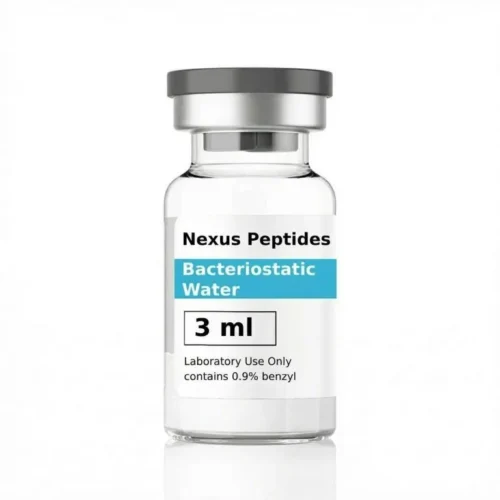
Bacteriostatic Water: 3ml*10 vials (30ml)
$22.00 Add to cart -
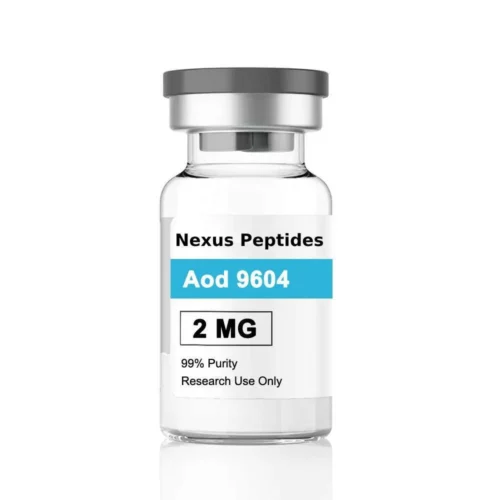
Buy AOD 9604: 2-5mg*10 vials
Price range: $130.99 through $270.99 Select options This product has multiple variants. The options may be chosen on the product page -

Buy Cagrilintide: 5-10mg*10 vials
$760.80 Select options This product has multiple variants. The options may be chosen on the product page -
Buy FST 344 (Follistatin344): 1mg*10 vials
$450.90 Add to cart
Reviews
There are no reviews yet.